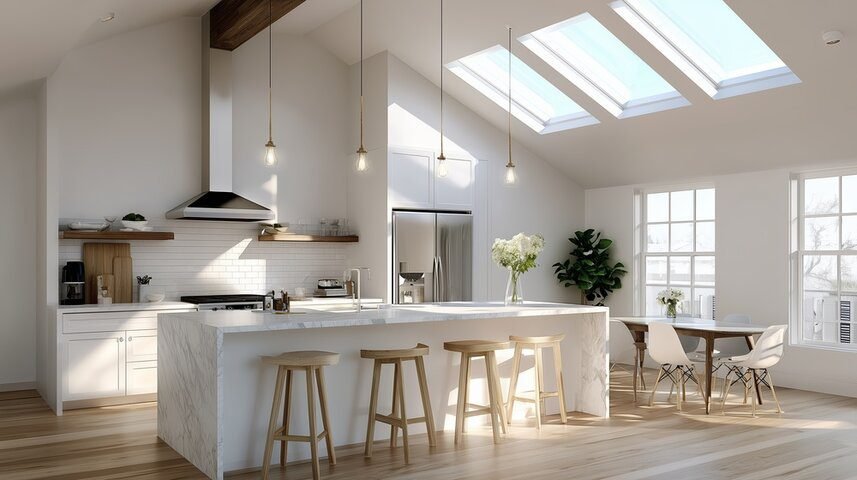
Creating a kitchen that truly works for family life requires more than attractive finishes and modern appliances. It takes thoughtful planning, practical layout decisions, and an understanding of how real households cook, gather, and move through the space. At Mountain Home Construction, a residential remodeling and general contracting company based in Gresham, Oregon, we work with homeowners throughout the Portland metropolitan area to design kitchens that balance beauty with everyday function.
Whether you live in Portland, Troutdale, Gresham, or a nearby Oregon community, the right kitchen layout can dramatically improve how your family cooks, connects, and lives at home. Below, we explore proven kitchen layout ideas that support functional family cooking while adding long-term value to your home.
Designing a Family-Friendly Kitchen Layout
A family-friendly kitchen layout starts with understanding how your household uses the space. Do multiple people cook at once? Are kids doing homework at the counter while dinner is prepared? Do you host frequent gatherings? A well-designed kitchen anticipates these activities and creates zones that minimize conflict and congestion.
In many Portland-area homes, especially older properties, kitchens were originally designed as closed-off workspaces. Today’s families often need more flexibility. Remodeling provides an opportunity to reconfigure walls, expand square footage, or rework cabinet placement so the kitchen better reflects modern living patterns.
When designing a family-friendly kitchen layout, consider these foundational principles:
- Prioritize safe, unobstructed walkways between major work areas
- Separate high-heat zones from kid-friendly snack or homework areas
- Ensure clear visibility from cooking zones to dining or living spaces
- Include durable materials that handle spills, scratches, and daily wear
Function should guide design decisions from the beginning. That includes selecting cabinet heights appropriate for different users, planning accessible storage for everyday dishes, and incorporating seating that invites family members to gather without disrupting meal prep.
A well-planned layout also improves efficiency. The classic work triangle connecting the sink, refrigerator, and cooktop still plays a role, but modern family kitchens often expand beyond that triangle to include additional prep areas, beverage stations, and charging spots for devices.
Families in Gresham and surrounding communities often tell us that their biggest frustration is traffic flow. Kids running through the kitchen while someone is carrying a hot pan can quickly become a safety concern. That is why layout adjustments, even small ones, can make a significant difference in comfort and usability.
When Mountain Home Construction approaches a kitchen remodeling project, we evaluate:
- Existing structural constraints
- Load-bearing walls and potential reconfiguration options
- Natural light and window placement
- How the kitchen connects to adjacent rooms
The result is a layout that supports daily routines while making the space feel open, welcoming, and safe.
Open Concepts for Better Flow and Safety
Open-concept kitchens remain popular throughout the Portland metro area for good reason. They promote better visibility, encourage interaction, and improve circulation between rooms. For families, these benefits translate directly into safer and more enjoyable cooking experiences.
Removing a wall between the kitchen and dining or living area can dramatically change how the space functions. Parents can monitor children while preparing meals, and guests can engage in conversation without crowding the cook. In older Oregon homes, careful structural evaluation is essential before removing walls, especially if they are load-bearing.
Key advantages of open-concept kitchen layouts include:
- Improved sightlines across shared living spaces
- More natural light distribution
- Easier supervision of children and pets
- Increased flexibility for entertaining
However, open layouts must be carefully planned to avoid chaos. Without clear zones, cooking areas can blend into high-traffic pathways, creating congestion. Thoughtful placement of islands, peninsulas, or partial walls can subtly define areas without sacrificing openness.
Safety is another major consideration. In busy households, minimizing sharp turns and tight walkways reduces the risk of collisions. Proper spacing between countertops and islands allows multiple people to move comfortably through the kitchen.
When remodeling kitchens in Portland and Troutdale, our team often recommends:
- A minimum of 42 to 48 inches of clearance in primary walkways
- Strategic lighting to eliminate shadows near cooking surfaces
- Non-slip flooring materials for spill-prone areas
- Ventilation systems that maintain air quality in open spaces
Open-concept kitchens also require thoughtful acoustic planning. Hard surfaces can amplify noise, so incorporating soft-close cabinetry, sound-absorbing materials, or strategic layout adjustments can keep the space comfortable even during busy evenings.
For families considering a major renovation, opening up a kitchen can significantly improve both function and resale value. With professional planning and quality craftsmanship, an open layout supports daily life while creating a welcoming environment for years to come.
Smart Work Zones for Busy Households and Meal Prep
Modern family kitchens benefit from clearly defined work zones. Instead of relying solely on the traditional work triangle, today’s layouts often incorporate multiple stations to support simultaneous activities.
For example, one family member might prepare vegetables while another packs lunches and a child grabs a snack. Without designated zones, these tasks overlap and create frustration. By assigning specific areas to specific functions, the kitchen becomes far more efficient.
Common work zones in functional family kitchens include:
- Prep zone with ample counter space and easy access to knives and cutting boards
- Cooking zone centered around the range or cooktop
- Cleaning zone with sink, dishwasher, and waste bins
- Snack or beverage station accessible without entering the main cooking area
Creating these zones requires intentional cabinet placement and appliance selection. A prep sink installed on an island can reduce traffic near the main sink. Locating the microwave in a lower cabinet drawer keeps it accessible for older children while freeing up counter space.
In many Oregon homes, space constraints require creative solutions. That might include:
- Pull-out cutting boards to extend prep space
- Corner storage systems that maximize awkward cabinet areas
- Vertical dividers for baking sheets and trays
- Appliance garages to keep counters clear
Electrical planning is also critical. Outlets should be positioned where small appliances are actually used. Charging drawers or built-in USB outlets can help contain clutter while supporting modern family needs.
Mountain Home Construction works closely with homeowners to map daily routines before finalizing a layout. By understanding how each household cooks and gathers, we design work zones that improve efficiency without compromising style.
A kitchen that supports multiple users at once reduces stress and makes cooking together a more enjoyable experience.
Maximizing Storage Without Losing Space or Style
Storage is one of the most important elements in a functional family kitchen. Without enough organized storage, even a spacious layout can feel cramped and chaotic.
Effective storage design begins with evaluating what you own and how often you use it. Everyday dishes should be easily accessible, while seasonal or specialty items can be stored higher or farther from primary work areas.
To maximize storage without sacrificing style, consider:
- Full-height cabinetry that extends to the ceiling
- Deep drawers instead of lower cabinets for easier access
- Pull-out pantry systems for better visibility
- Built-in organizers for spices, utensils, and trash bins
In Portland-area homes where square footage may be limited, vertical storage becomes especially valuable. Tall pantry cabinets and stacked upper cabinets create additional capacity without expanding the kitchen footprint.
Custom cabinetry solutions can also enhance both function and aesthetics. For example:
- Integrated refrigerator panels for a seamless look
- Hidden charging stations inside drawers
- Open shelving balanced with closed storage
- Toe-kick drawers for rarely used items
Material selection plays a role in maintaining a clean appearance. Durable, easy-to-clean finishes ensure that cabinets continue to look good despite heavy daily use. Quartz countertops, for instance, offer durability and low maintenance, making them ideal for busy households.
By combining smart storage solutions with cohesive design, families can enjoy a clutter-free kitchen that still feels warm and inviting. A well-organized kitchen supports faster meal prep and reduces daily frustration.
Islands That Bring Everyone Together Comfortably
Kitchen islands often serve as the heart of a family home. They provide additional prep space, casual seating, and a natural gathering point for conversation.
For functional family cooking, the size and placement of the island are crucial. An oversized island in a small kitchen can restrict movement, while one that is too small may not provide enough workspace.
When planning an island, consider:
- At least 36 to 48 inches of clearance on all working sides
- Seating that does not interfere with primary cooking pathways
- Durable countertop materials suitable for food prep and homework
- Integrated storage or appliances for added functionality
Islands can also support multiple activities simultaneously. One side may function as a prep station with a sink, while the opposite side offers bar seating for children to complete homework or chat during meal preparation.
In family homes throughout Gresham and the surrounding Portland metro area, we often design islands that include:
- Built-in microwave drawers
- Additional dishwasher drawers for large households
- Under-counter beverage refrigerators
- Hidden storage for small appliances
Lighting is another essential component. Pendant lights above the island provide task lighting while contributing to the overall design aesthetic. Proper lighting ensures that the island remains safe and functional for cooking tasks.
A thoughtfully designed island encourages togetherness without compromising efficiency. It becomes a shared space where cooking, conversation, and connection happen naturally.
Planning for Renovations in Oregon Homes
Remodeling a kitchen in Oregon requires careful planning, especially in older homes common throughout Portland and nearby communities. Structural considerations, permitting requirements, and building codes must all be addressed to ensure a safe and compliant renovation.
Working with an experienced general contractor simplifies the process. Mountain Home Construction, based in the Portland metropolitan area, provides comprehensive residential remodeling services including kitchen renovations, home additions, flooring installation, and general construction improvements.
When planning a kitchen renovation, homeowners should consider:
- Budget and contingency planning
- Permit requirements in their specific city
- Timeline expectations
- Temporary kitchen arrangements during construction
In some cases, homeowners may also need responsive repair services following water damage, appliance failures, or other unexpected issues. Professional renovation teams can assess damage and provide solutions that restore function while upgrading the space.
Energy efficiency is another important factor in Oregon. Upgrading insulation, windows, and appliances during a remodel can reduce long-term utility costs and improve comfort year-round.
Homeowners in Portland, Gresham, and Troutdale benefit from working with a contractor who understands local building practices and climate considerations. Clear communication, detailed project management, and quality craftsmanship ensure that the finished kitchen meets both functional needs and long-term value goals.
A well-executed kitchen renovation does more than improve daily cooking. It enhances the entire home and supports your family’s evolving lifestyle.
Frequently Asked Questions
How long does a typical kitchen remodeling project take in the Portland metro area?
The timeline for a kitchen remodel depends on the scope of work, material availability, and permitting requirements. A standard kitchen renovation may take several weeks to a few months from demolition to final inspection. Mountain Home Construction serving the Portland metro area provides clear project timelines and consistent communication so homeowners understand each phase of the process.
Do I need permits for a kitchen remodel in Oregon?
Many kitchen remodeling projects in Oregon require permits, especially if electrical, plumbing, or structural changes are involved. Permit requirements vary by city, including Portland, Gresham, and Troutdale. Mountain Home Construction helps homeowners navigate local permitting processes to ensure all work is compliant with current building codes and safety regulations.
What is the average cost of a kitchen renovation in the Portland area?
Kitchen renovation costs vary widely depending on size, materials, layout changes, and custom features. Projects involving structural modifications or high-end finishes will naturally cost more than cosmetic updates. Mountain Home Construction provides detailed estimates for homeowners throughout the Portland metro area so they can make informed budgeting decisions.
Can I live in my home during a kitchen remodel?
In many cases, homeowners can remain in their homes during a kitchen remodel, though there will be temporary disruptions. Setting up a temporary kitchen space and planning for limited access to appliances can help. Mountain Home Construction works with Oregon homeowners to minimize inconvenience and maintain a safe, organized job site.
What are the benefits of hiring a general contractor for a kitchen renovation?
Hiring a general contractor ensures that all aspects of the project are coordinated efficiently, from design and permitting to subcontractor management and inspections. Mountain Home Construction serving the Portland metro area oversees scheduling, quality control, and communication so homeowners can feel confident in the renovation process.
Can you help with home additions or expanding my kitchen footprint?
Yes, expanding a kitchen through a home addition or wall reconfiguration is often possible, depending on structural considerations and local zoning requirements. Mountain Home Construction provides home addition and structural remodeling services throughout the Portland metropolitan area, helping families create more spacious and functional living environments.
What flooring options work best for busy family kitchens?
Durable, low-maintenance flooring options such as luxury vinyl plank, tile, and engineered hardwood are popular in family kitchens. These materials resist moisture and handle heavy foot traffic well. Mountain Home Construction helps homeowners in Oregon select flooring that complements their kitchen design while supporting long-term durability.
Do you offer bathroom remodeling and other residential renovation services?
In addition to kitchen remodeling, Mountain Home Construction provides bathroom upgrades, flooring installation, home additions, and general residential construction services throughout the Portland metro area. Our team focuses on quality craftsmanship and thoughtful design to improve comfort, functionality, and long-term value in every project.